
Mar
In last week’s Torah portion of Pekudei, towards the end, we read how Moshe basically finishes building the Mishkan. He stops all donations, no more money is necessary, all the vessels have been constructed, everything’s ready to roll, and they put up the Mishkan. Moshe supervises that, and then it says that the cloud of […]
Dec
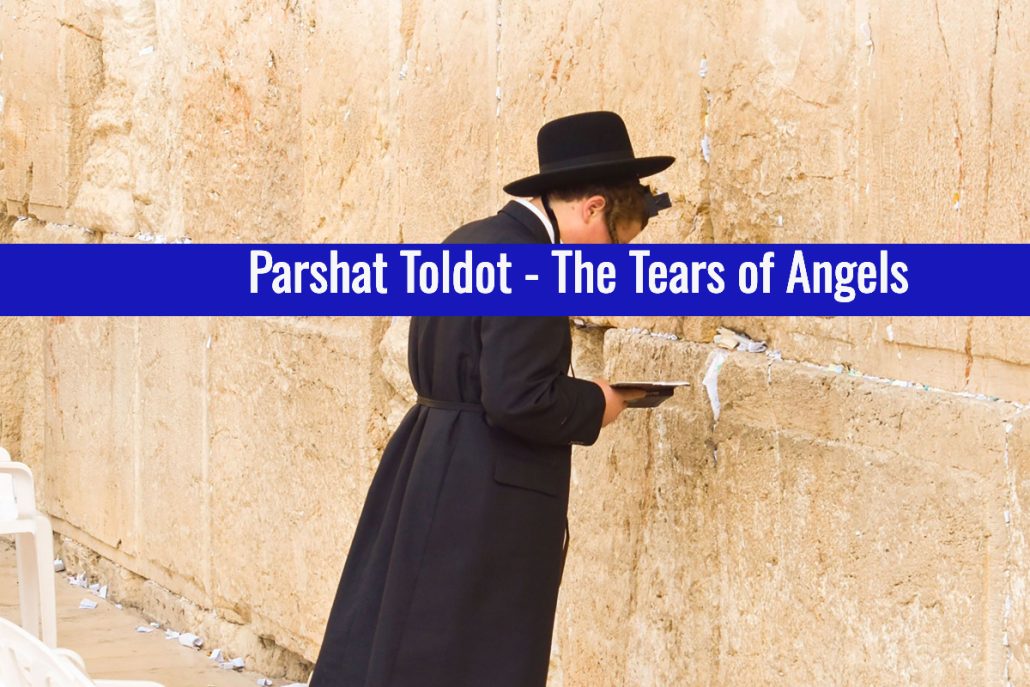
In Parshat Toldot, we learn that Yitzchak became blind in his old age. Rashi cites three explanations from the Midrash and Talmud as to why this happened. One explanation is that Esav’s wives burned incense to idols, and the smoke from that idolatry caused Yitzchak’s blindness. This great tzaddik could not tolerate such tumah—such impurity. […]

May
This week’s parsha Behar begins with Sabbaticals. In addition to our weekly Sabbath, we also have a shabbat for the land every 7th year called Shmittah. Then every 50th year we have an additional sabbatical called Yovel (Jubilee), during which we not only let the land lie fallow, but all land is returned to its […]

Mar
The main subject matter of this week’s Parsha (Torah portion) of Tzav, and most of the Torah portions in the book of Vayikra, are korbanot, which in English is translated as sacrificial offerings, sacrifices. But the real translation of the word korban is to come close — closeness. And the way we achieve closeness between […]
Mar
On Purim, we celebrate the great salvation of the Jewish people from the hands of Haman and the Persian kingdom, which wanted to annihilate all the Jews in the world. And the striking thing about the Megillah, the Book of Esther, which we read on Purim, is that the name of God is absent from […]
Feb
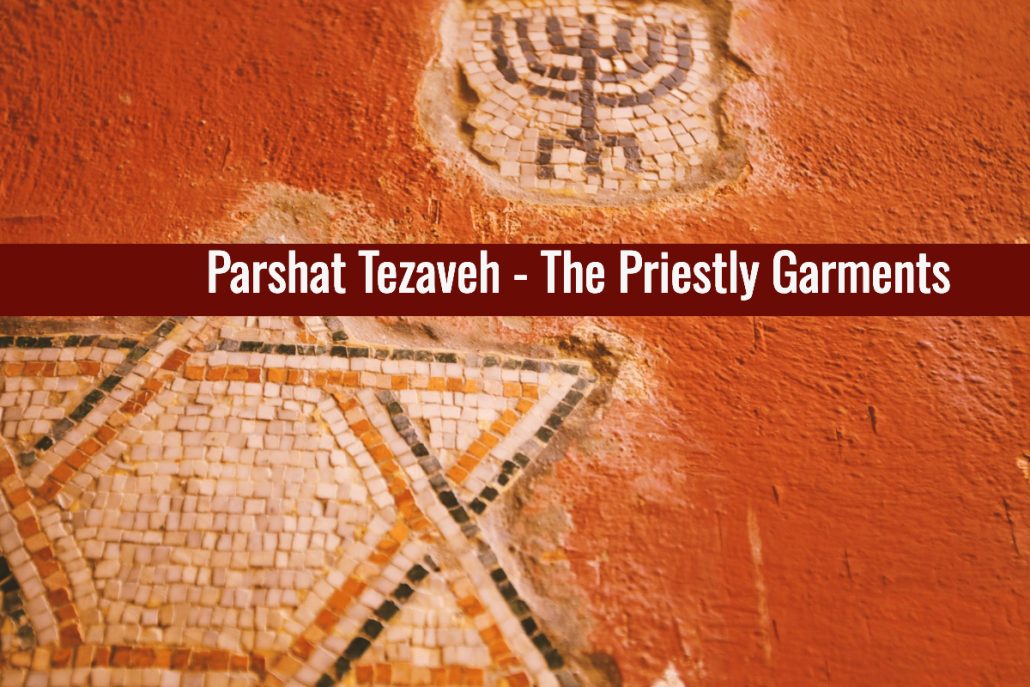
In Parsha Tetzaveh, the Torah commands us to create clothing, special clothing, for Aaron and his sons, for the Kohanim. And the Torah says the reason for that clothing is l’kavod, for honor, or litifaret, and for beauty. Now, there’s no other mitzvah in the Torah that requires wearing special garments other than the garments of the Kohanim, […]

Nov
Parshat Lech Lecha includes two covenants (Britot). The first covenant is the Brit Bein Habetarim, in which God tells Abraham to cut 9 animals in half and then the fire of the Divine Presence passes between them. In this covenant God promises Abraham that even though his children will be enslaved for a period of […]

Sep
A Chassidic story: A wealthy merchant would regularly visit the Baal Shem Tov and would donate large sums of money for the Rebbe’s charitable causes. Eventually his fortune changed and his business failed, leaving him nearly penniless. When he went to visit the Rebbe again the Baal Shem, undoubtedly aware of the man’s dire straits, […]